arrange Siding Installation for your project
Siding Installation: Improve Your Home's Curb Appeal and Value
Siding installation plays an essential role in determining a home's exterior aesthetic. It boosts curb appeal and simultaneously increases the overall worth of a home. Homeowners encounter key decisions surrounding materials and style preferences. Choosing the right siding can greatly impact energy efficiency and long-term maintenance. Recognizing these considerations can lead to well-informed decisions. What aspects should homeowners keep in mind when embarking on this endeavor?
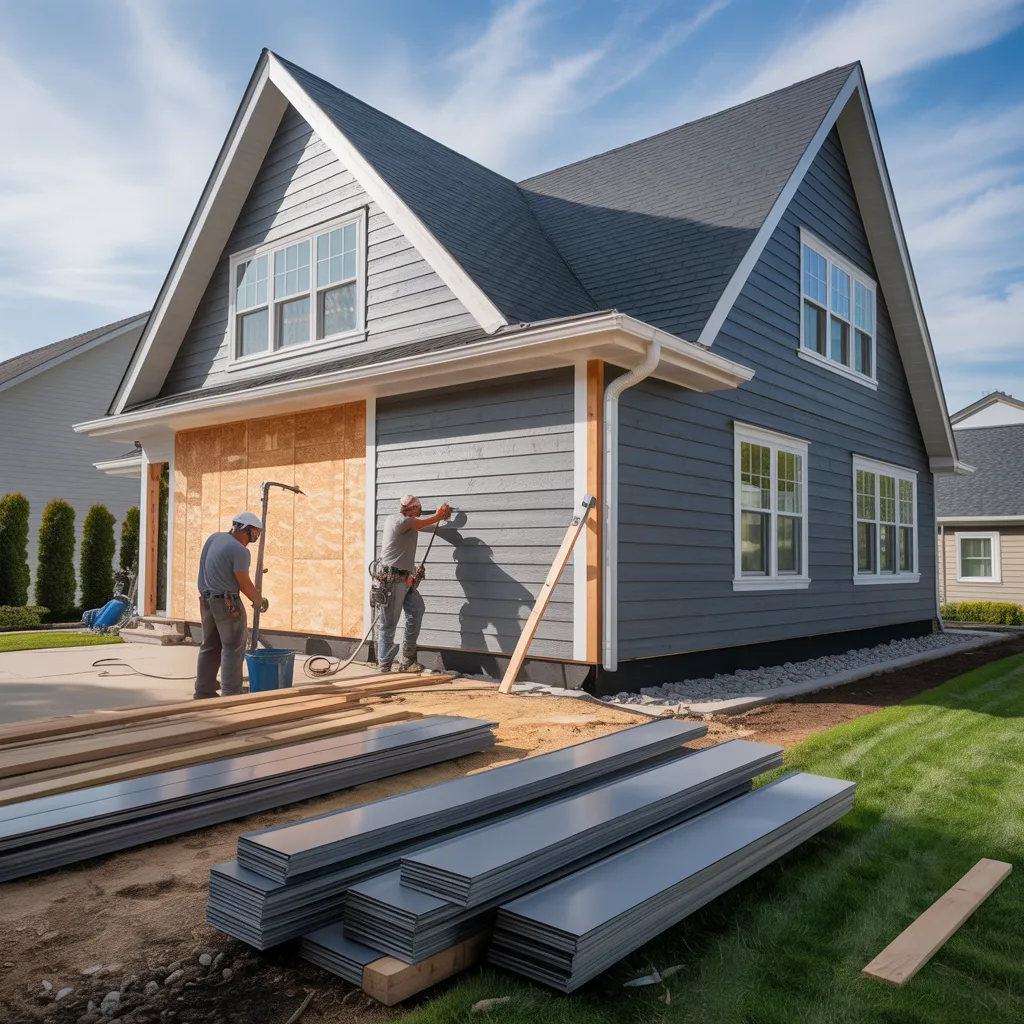
How Siding Impacts Your Home's Value
Siding serves as a key factor in boosting a property's total value. It not only enhances the aesthetic appeal of the property but also offers functional benefits that can impact potential buyers. Thoughtfully chosen siding materials can improve energy efficiency, reducing cooling and heating expenses, which is beneficial to homeowners. Additionally, siding shields the structural foundation from weather-related damage, consequently extending the lifespan of the home.
Properties with quality siding often command higher resale prices, as prospective buyers value the reduced maintenance and enhanced curb appeal. Moreover, contemporary siding choices, such as fiber-cement or vinyl, are built to withstand warping, fading, and pests, thereby ensuring enduring value. The right siding can create a positive first impression, making it a smart investment for homeowners aiming to maximize their home's marketability and value.
How to Select and Install the Best Siding for Your Home
Choosing the best home siding for a house requires understanding multiple types of materials and the installation procedure. Each material offers unique benefits and considerations that can influence both appearance and lasting quality. A structured strategy for installation steps guarantees a proper application, improving the residence's general appeal and protection.
Material Selections Overview
When selecting the most suitable outer cladding for a home, residents come across a variety of material options that can significantly impact both appearance and durability. Vinyl siding is popular for its affordability and low maintenance, while wood delivers a traditional aesthetic but necessitates more care. Fiber cement delivers exceptional durability and protection against pests, positioning it as a reliable option across different climates. Metal siding, typically aluminum or steel, is recognized for its lasting quality and modern look. Additionally, brick and stone veneer add significant value and timeless appeal but come with higher installation costs. The choice ultimately depends on budget, desired style, and local climate conditions, allowing property owners to make an educated decision that adds value to their residence.
Installation Steps and Procedures
Choosing the best siding for a home requires a systematic approach that weighs aesthetics, functionality, and installation requirements. To begin, homeowners should assess their local climate and architectural style, ensuring the chosen material complements their home's design and withstands environmental conditions. Next, they must calculate the exterior dimensions precisely to identify the quantity required.
When the siding material is selected, surface preparation is critical, including repairs and cleaning. A moisture barrier must be put in place to safeguard against moisture-related damage. Once that is complete, the siding panels are measured and cut and secured with appropriate fasteners, to guarantee accurate alignment throughout. Finally, homeowners should complete the installation using trim pieces and quality caulking to enhance durability and appearance, finishing a transformation that significantly increases curb appeal and property value.
Comparing Siding Materials: Which Option Is Right for You?
Which siding option is the right fit for a homeowner's situation? Homeowners regularly encounter a wide range of selections, each carrying specific advantages. Vinyl siding stands out as a favored choice thanks to its economical price point and easy maintenance, making it especially suitable for budget-minded homeowners. Alternatively, wood siding offers aesthetic appeal and natural insulation but requires regular upkeep to prevent deterioration. Fiber cement siding merges long-lasting strength with a wood-like appearance, offering protection against pests and harsh weather, whereas stone and brick alternatives provide outstanding durability and classic elegance, though at a greater expense. Metal siding, often seen in modern designs, is also an option, known for its strength and fire resistance. At the end of the day, the ideal decision copyrights on elements such as financial constraints, environmental climate, and the homeowner's aesthetic vision. Homeowners ought to thoughtfully evaluate these factors to choose a siding material that boosts both their property's visual appeal and market value.
How New Siding Can Boost Your Home's Energy Efficiency
Switching to updated siding can significantly improve a home's energy efficiency. Modern siding materials are designed with superior insulation properties that work to stabilize indoor temperatures, reducing dependence on heating and cooling systems. To illustrate, insulated vinyl siding can significantly lower energy bills by minimizing heat loss in winter and maintaining cooler indoor temperatures in summer.
Furthermore, modern siding choices typically provide sun-reflecting finishes that work to deflect direct sunlight, further lowering energy cooling costs. Homeowners are able to choose from various siding materials, including composite and fiber cement siding, which not only improve thermal insulation but also guard against moisture and pests, enhancing durability.
Correct installation is essential for optimizing energy performance. Inadequate sealing or gaps can diminish the advantages of new siding. By investing in quality materials and professional installation, homeowners can benefit from a more pleasant indoor environment while simultaneously boosting their property's market value with enhanced energy efficiency.
What to Expect During Installation
Throughout the new siding installation process, homeowners can anticipate a well-coordinated process that proceeds through a series of important steps. To begin, the team will thoroughly evaluate the existing structure, confirming that any necessary repairs are completed before the new siding is applied. Following this, the old siding is methodically taken down, followed by the installation of a moisture barrier to protect the structural components below.
After these preparations have been completed, the new siding is installed, which may involve careful measurements and trimming to fit around window and door frames. Homeowners can anticipate seeing the siding being fastened with suitable hardware to guarantee durability. Throughout the project, workers will maintain a clean and organized workspace, minimizing disruption to the household. Finally, a comprehensive inspection is carried out to ensure the installation adheres to quality benchmarks, leaving homeowners with a renewed exterior appearance that improves both the home's appearance and its market value.
Key Maintenance Tips to Ensure Long-Lasting Siding Performance
To guarantee optimal quality and lifespan of the siding, a routine cleaning routine is essential. Furthermore, regular evaluations for deterioration can enable you to detect issues before they become severe. Such preventative measures play a major role to upholding the quality and look of the siding surface over the years.
Regular Cleaning Schedule
Maintaining consistency in upkeep is vital for protecting the lifespan and appearance of siding. Creating a consistent cleaning regimen can substantially boost its performance and overall appearance. Homeowners are advised to wash their siding a minimum of twice annually, preferably in spring and fall. This practice aids in eliminating dirt, mold, and mildew that may build up over time, avoiding discoloration and deterioration. A light cleaning with a solution of water and gentle soap is typically adequate. For more stubborn stains, using a soft-bristle brush or a pressure washer set to a low level may be necessary. By following this maintenance routine, homeowners can ensure their siding stays in outstanding shape, ultimately enhancing the curb appeal and market value of the home.
Examine for Damage
Regularly inspecting siding for damage is vital for keeping it in optimal shape. Homeowners should check for evidence of damage, such as cracks, warping, or peeling paint, which can signal deeper problems. Furthermore, areas around windows and doors are particularly vulnerable and should be checked thoroughly. Water accumulation or mildew development may signal that the siding is failing to offer sufficient coverage, warranting immediate attention. Regular checkups, especially after extreme weather events, can aid in spotting issues promptly, preventing costly repairs in the future. It is equally important to check for pest activity or evidence of decay, as these can undermine the siding's performance. Proactive care secures enduring functionality and elevates the visual appeal of the residence.
Frequently Asked Questions
How Much Time Does Siding Installation Usually Require?
Siding installation generally requires between one and three days, based on the size of the home, the siding type selected, and current weather conditions. Homeowners should anticipate potential delays if substantial repairs are needed prior to installation.
Should I Install Siding Myself or Work with a Contractor?
One can install siding independently if they possess the necessary skills and tools; that said, engaging a professional contractor generally provides greater quality and efficiency. Balancing one's own abilities with professional knowledge is key to achieving a successful result.
What Are the Best Colors for Siding to Increase Value?
Understated hues like beige, gray, and white are known to boost property value, drawing interest from more potential buyers. Bold shades can attract attention but could reduce the pool of interested buyers, making neutral tones a wiser choice for resale value.
Does Siding Installation Require Permits or Inspections?
Siding installation often requires permits and inspections, according to local regulatory requirements. Homeowners are advised to check with local authorities to identify the specific requirements, ensuring compliance and avoiding potential fines or complications during the installation process.
How Can Siding Influence My Home Insurance Premiums?
Siding may impact home insurance rates by influencing risk calculations. Resilient materials often decrease costs, while vulnerability-prone comprehensive resource choices may raise premiums. Insurance companies typically assess the siding's impact on overall property value and upkeep requirements.